The world is full of challenges. Evonik is working on innovative solutions that are both economically viable and sustainable. Here, we present some of them. This time: the potato as a globally available source of valuable bio-based raw materials.
Clean Water
Safe Harbor at the Canal
When Ed Harris heads out onto the Theodore Industrial Canal, he isn't going fishing. He's collecting environmental data that helps keep one of Evonik's largest production sites running safely and responsibly.
Hydrogen Peroxide
The Physics of Invisible Bubbles
They are smaller than many bacteria and behave completely differently from ordinary air bubbles. Researchers at Evonik are investigating how nanobubbles can improve disinfection processes in food processing and why their extraordinary stability is so fascinating from a scientific perspective.
Biobased & Renewables
Allies Against Plant Diseases
Researchers at Evonik discovered how biological and chemical crop protection products can become more effective when used together.
Pharma
Perspective on RNA therapeutics, LNPs, and what comes next
Synthetic messenger RNA has revolutionized the development of medicines. While the focus has so far been infectious diseases, attention is now also turning to cancer and rare diseases. A key factor lies in the delivery systems
Lipid Nanoparticles
An Ecosystem for Lipid Nanoparticles
Why Evonik established a presence in Vancouver and Cambridge: to be close to cutting-edge science, innovative startups, and the next breakthroughs in RNA delivery
Additives
From Colorful to Circular
Colorful packaging poses a challenge for recycling. Evonik has developed a deinking solution that starts with the printing inks themselves and has now been recognized with the German Packaging Award 2026 in the “Sustainability” category. In the video, Christian Schirrmacher explains how it works.
Good to Know
Colorfully Carefree
Evonik offers coating additives with a significantly reduced content of potentially harmful substances.
Foresight
How Soon Will AI Have a Seat at the Table?
Artificial intelligence is penetrating ever deeper into our everyday lives. It is changing jobs, politics, and even psychology. In the future, it will permeate all areas of society. The Evonik Foresight team has therefore analyzed the effects of this game changer
Consumables
A Clear Improvement
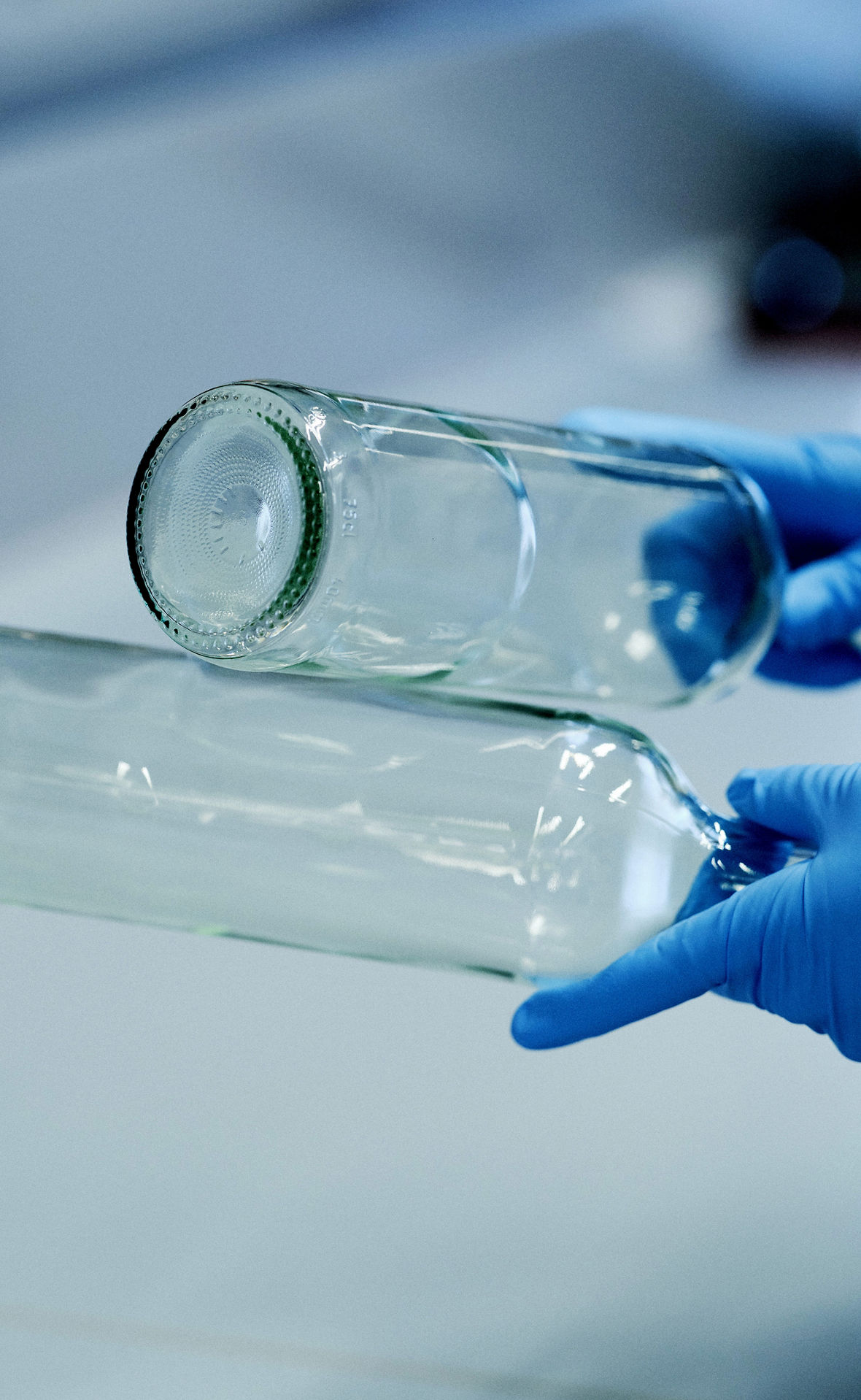
Scratch-resistance, durability, and smoothness—these are the qualities consumers expect from bottles and jars. To achieve them, glass containers need a protective coating. Using silanes as the foundation, Evonik and its partner TotalEnergies have developed a safer and more environmentally friendly alternative to conventional methods
Medicine may be on the verge of a new era. In the future, instead of treating diseases in the traditional way, doctors might be able to rejuvenate their patients: first cells and organs—and later, perhaps, the entire person. Will the Fountain of Youth become a reality?
Foresight
How Soon Will AI Have a Seat at the Table?
Artificial intelligence is penetrating ever deeper into our everyday lives. It is changing jobs, politics, and even psychology. In the future, it will permeate all areas of society. The Evonik Foresight team has therefore analyzed the effects of this game changer
Foresight
Keep cool…
…and keep going—with the development of sustainable air conditioning systems. Because as pleasant as a cool room is when it’s hot outside, we need modern technologies that don’t further accelerate global warming
Foresight
Muscles not motors
Robots with skin surfaces? Game controllers made of cellulose? Biohybrid materials—created from the fusion of biological and non-biological components—could make this possible in the future and herald the age of a completely new class of materials
Foresight
Flying free
A gift from on high: The low-altitude economy may make deliveries by air a reality. In just a few years, drones could complement delivery vans, cargo planes, and helicopters. Tests for unmanned aerial transport solutions are in full swing
Every organ pipe is handcrafted. That’s why organ builder Martin Hiltmann shares a particularly close bond with tin, one of the key materials in his craft.
"Our mirrors encompass the room"
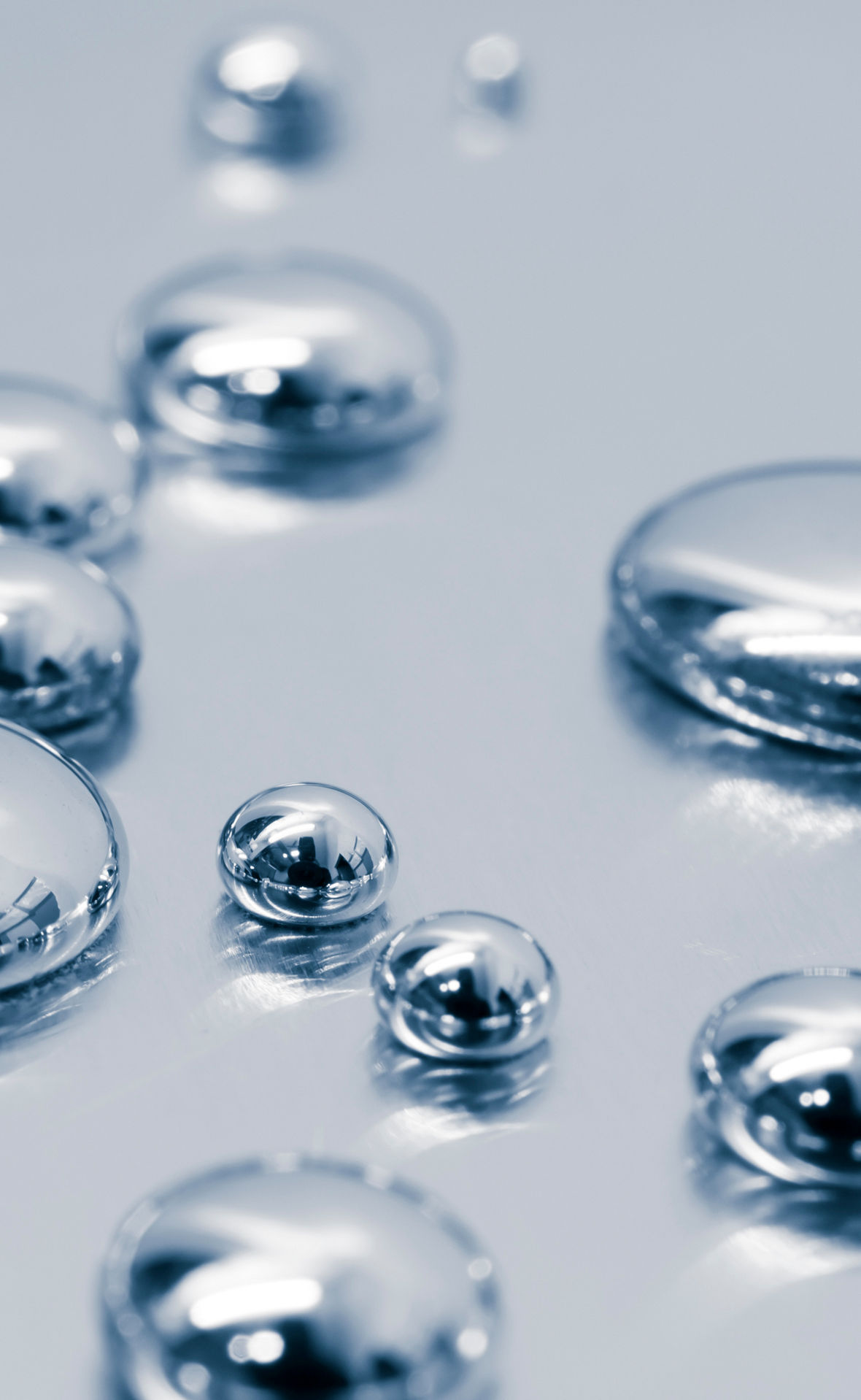
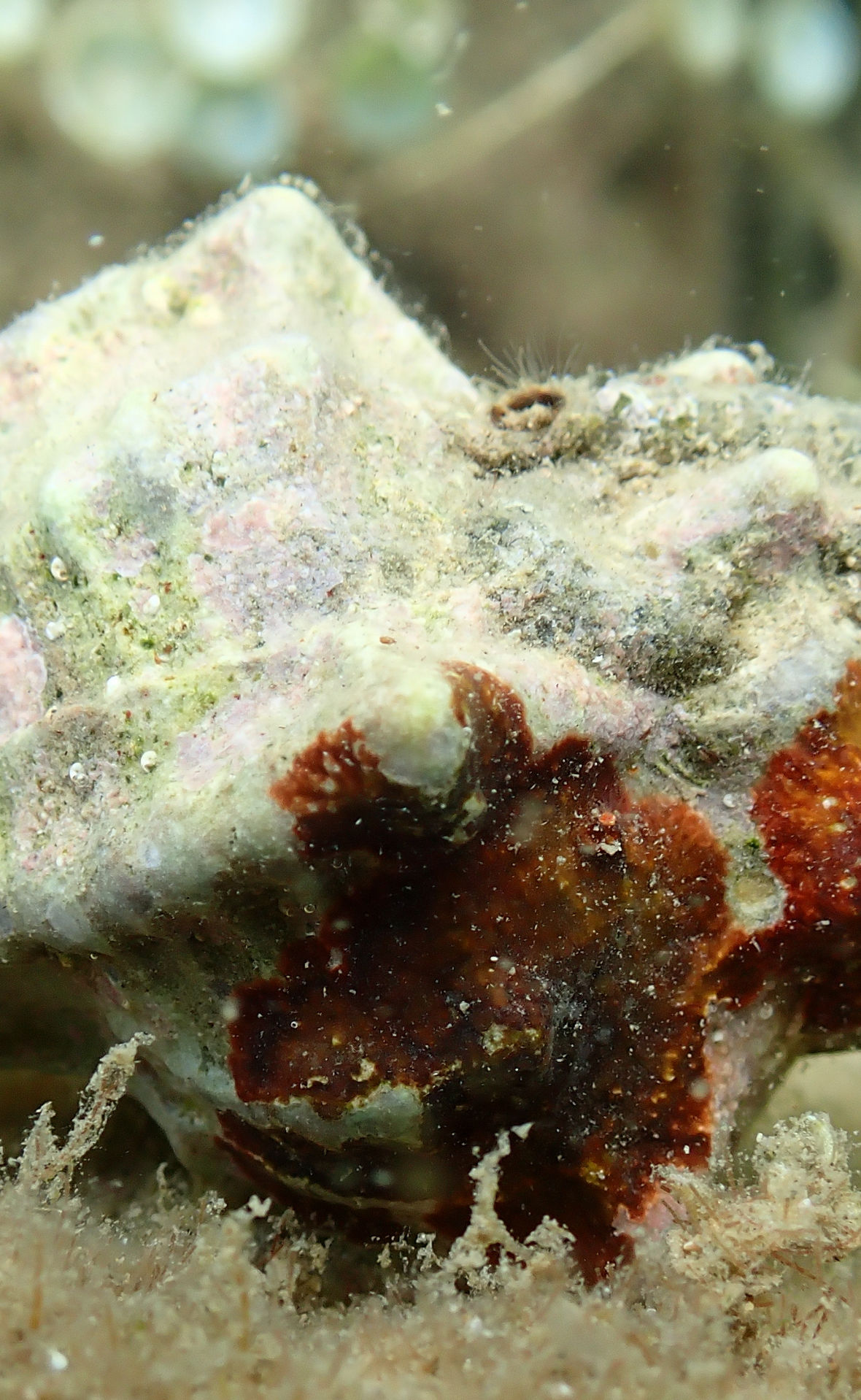
Mercury—A Metal in Motion. Today, due to its toxicity to humans, it is largely confined to niche applications. In the past, it was used not only in thermometers but also in the making of remarkable mirrors—a technique Steffen Noack initially had to teach himself.
“This Blue Is Divine!”
A blue with a history spanning more than a thousand years, made unique by brominated compounds: For the Ptil Tekhelet Association in Jerusalem, it is indispensable for producing the Jewish prayer shawl in the traditional way—the only organization in the world that does so. Physicist and electrical engineer Baruch Sterman explains the background.
"We want to build the most accurate clock in the world"
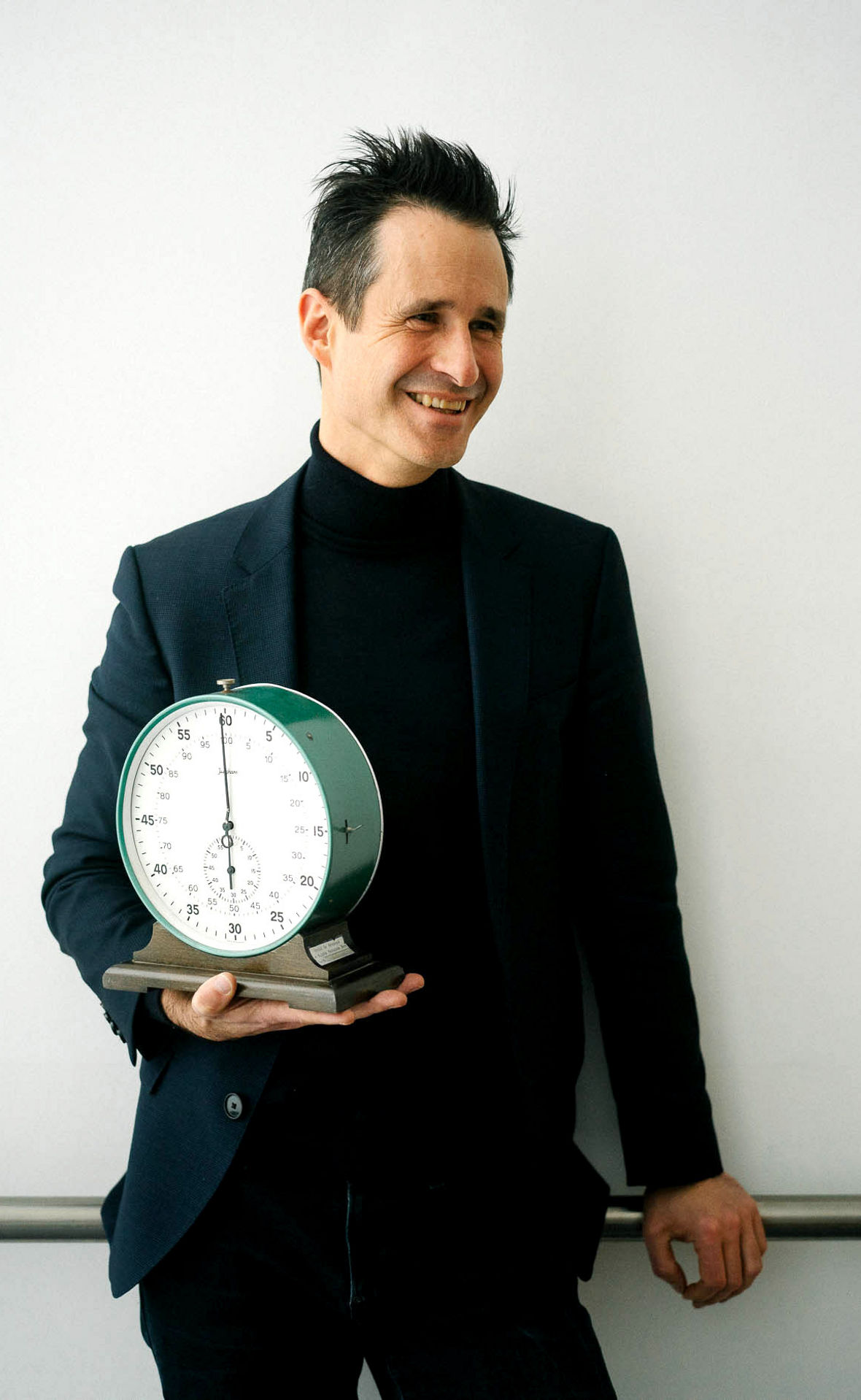
Time is no longer measured solely in human dimensions. Atomic clocks control and regulate time more accurately than humans ever could. The Vienna University of Technology now wants to go one step further and base clocks on the atomic nucleus.
CLEAN AIR
Hydrogen Peroxide
Sustainable Propulsion Systems Boost Spaceflight
The space industry is going places: The need to achieve technological progress and deliver sustainable propulsion systems is producing a host of new players that are driving these innovations inexorably forward. Evonik Active Oxygens’ environmentally compatible propellant, PROPULSE, has an important role to play here.
Mobility
Why Europe Lags in EV Shift
According to Maximilian Fichtner, it’s only a matter of time before gasoline- and diesel-powered vehicles will be replaced by electric cars. In this interview, the renowned battery expert explains why Chinese storage technology is faster and more powerful—and why Europe is in danger of missing the boat
Mobility
Rules for electric traffic
Electric mobility is picking up speed worldwide. Governments rely on various regulatory measures to manage their markets and drive the transition to sustainable transportation solutions
Energy Transition
Stored power
Improved batteries are playing a key role in the energy transition and in sustainable mobility. Evonik is working to make energy storage systems more efficient and cost-effective. Even well-known technologies have substantial amounts of potential that is still untapped.
Membranes
Hightech Membranes from Lake Atter
There’s a long tradition of producing plastic fibers in Upper Austria. In the town of Schörfling, plastic fibers are used to make membranes that could revolutionize natural gas purification worldwide
Clean Air
Peroxid power
Cosmetics, cleaning agents, microelectronics—hydrogen peroxide has been inspiring innovative applications in chemistry for two centuries. As a supplementary propellant for rockets, this compound of hydrogen and oxygen is now playing a major role in ensuring greener propulsion in space.
Membranes
LESS CO₂ IN NATURAL GAS
In order to meet the increasing demand for natural gas, more and more gas fields with a high CO₂ content are being tapped. This is an ideal area of application for the new high-tech membranes from Austria.
When women undergo breast cancer surgery, many opt for silicone implants afterward. In the future, structures made from the bioresorbable polymer Resomer could support natural healing and replace lost tissue through natural cell growth.
Medtech
Close to the bone
PEEK is an important material in the medical device industry. Together with an ambitious inventor and entrepreneur, Evonik has developed a variant of the thermoplastic that allows the manufacturing of 3D-printed implants that could improve the health of patients
Chart
From head to toe
High-performance plastics or biosynthetic materials are indispensable for many medical applications. They can be formed into a variety of shapes, are robust or biodegradable depending on the intended use and are compatible with the human organism. An overview of the possible applications for medical products
Interview
What makes a good collaboration?
Andrea Engel coordinates a diverse team of scientists, technical and business experts working on the partnership with Stanford University. This is her view on cooperations in the field of R&D
Fermentation
From Jena to the World
In the laboratories of JeNaCell, bacteria are producing the material for a dressing that enables wounds to heal quickly and gently. This area of application is scheduled to grow further following the company’s acquisition by Evonik